
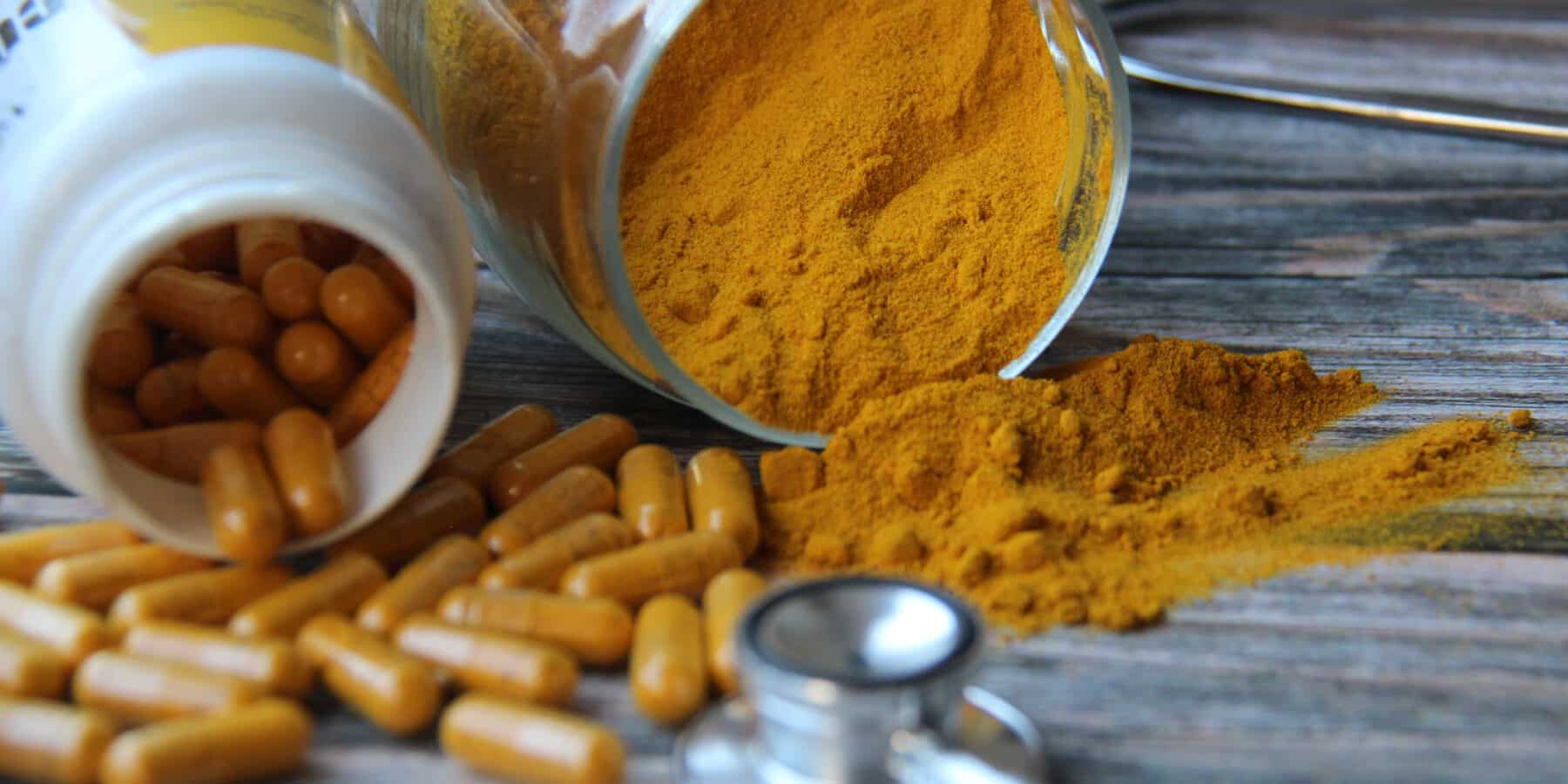
This preclinical study aims to assess whether Theracurmin – a formulation of curcumin – can slow progression in models of Parkinson’s.
Contents
About the study
Curcumin, a compound found in turmeric, is well known for its antioxidant and anti-inflammatory properties; because of this, researchers have been interested in whether it may be able to help rescue nerve cells (neurons) in Parkinson’s. Curcumin, however, has low bioavailability, meaning that very little of the compound leaves the digestive system and is circulated throughout the body. This means that curcumin on its own is not a suitable treatment for Parkinson’s as it does not reach the brain in high enough concentrations to have a therapeutic effect.
Theracurmin is a slow-release formulation of curcumin that is thought to be more bioavailable. To assess whether it can access the brain and is neuroprotective, Dr Ayse Ulusoy at the German Center for Neurodegenerative Diseases (DZNE) will be investigating Theracurmin in preclinical models of Parkinson’s. This project is the fourth to be funded through our International Linked Clinical Trials (iLCT) Pipeline Acceleration programme and is based on committee recommendations when Theracurmin was reviewed and prioritised in 2019. The study will consist of two phases; the first will be to determine how Theracurmin’s bioavailability. The second will be to assess whether the drug is neuroprotective against several Parkinson’s drivers, including the accumulation of the protein alpha-synuclein – a hallmark and driver of progression. The results of this study will inform us how best to proceed with the compound as a potential treatment for Parkinson’s.
Trial overview
- Researcher: Dr Ayse Ulusoy
- Institution: German Center for Neurodegenerative Diseases (DZNE)
- Project Type: Preclinical
- Status: Ongoing
- Start Date: Nov 2025
- iLCT-evaluated (2019)
- Therapy Target: Oxidative stress, Inflammation
New iLCT Pipeline study: Theracurmin
Read more